

Bone marrow transplant in Istanbul for adults and children
Stem cell transplants for adults and children with blood cancers and some rare blood and immune disorders, in dedicated isolation units with a multidisciplinary team.
About this center
The Bone Marrow Transplant Center provides stem cell transplants for adults and children with blood cancers and rare immune disorders. The program covers patient and donor evaluation, conditioning, transplant in isolation rooms, and aftercare.
Who may a bone marrow transplant suit?
A transplant is one option among several. Whether it suits you depends on the disease and its stage, how you responded to previous treatment, your general health and, for an allogeneic transplant, a suitable donor. The treating physician decides.
01Blood cancers
02Bone marrow disorders
03Inherited disorders
04Immunity
Types of transplant
Autologous
The patient’s own cells, collected, stored and returned after treatment.
Allogeneic, matched relative
From an HLA-matched brother or sister.
Allogeneic, unrelated donor
Through donor registries
Haploidentical
From a half-matched relative
If a donor is needed
For an allogeneic transplant, brothers and sisters are usually tested first with an HLA tissue-typing test. A related donor travels to Istanbul for medical tests and cell collection, and their own safety is assessed separately. We send you the list of required tests and help arrange the donor’s stay.
Documents to send for a transplant review
- Diagnosis and pathology reports
- Bone marrow biopsy and aspirate results, including flow cytometry or genetic tests if done
- Recent blood tests and imaging reports (for example PET-CT or CT)
- A dated list of previous treatments and the current disease status (for example, remission)
- HLA typing results for you and your brothers or sisters, if already done
- The latest letter or discharge summary from your doctor
Send what you have: photos and scanned copies are fine to start. Your coordinator tells you if the team needs anything else.
Send your medical report for a physician review before you book anything
Send your reports on WhatsApp or by email, or leave your details in the form and a coordinator who speaks your language will contact you. The first file review does not commit you to anything.
Step by step: from sending your report to follow-up at home
Send your reports
On WhatsApp or by email; your coordinator confirms what has arrived.
Review by the transplant team
Physicians reply in writing: whether a transplant may be an option, which type, and which tests are missing.
Donor testing, if needed
HLA typing for brothers and sisters; the team tells you where and how it can be done.
Plan and invitation letters
Proposed dates, an estimate of the stay and medical invitation letters for the patient, the donor and a companion. Costs are assessed case by case.
Patient and donor evaluation in Istanbul
Heart, lung, infection and other tests to confirm the transplant is safe.
Cell collection
From the blood or bone marrow of the patient (autologous) or of the donor (allogeneic).
Conditioning
Chemotherapy, sometimes with radiotherapy, to prepare the bone marrow.
Transplant and recovery in isolation
The cells are given by infusion; you stay in an isolation room until the new cells start working.
Discharge and stay near the hospital
Frequent check-ups in the following weeks; allogeneic transplants usually need a longer stay.
Return home and shared follow-up
A detailed report for your doctor, and long-term follow-up coordinated with the team in Istanbul.
Bone marrow transplant and hematology physicians
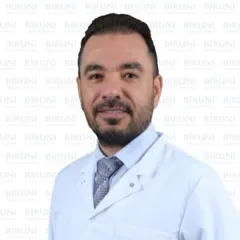
Prof. Dr. Ali Hakan KAYA
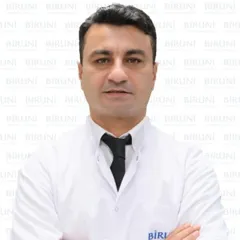
Prof. Dr. Rafet EREN
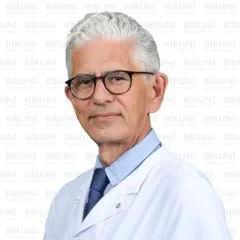
Prof. Dr. Hilmi APAK
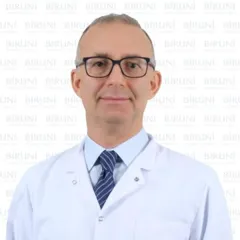
Dr. Öğr. Üyesi Ömer DOĞRU
Names, titles and specialties come from the hospital’s official physician pages. They are shown for information only: your file is routed to the right specialty and the hospital assigns the treating physician.
Questions patients ask
Do you perform bone marrow transplants for adults and children?
Yes. Biruni University Hospital has an adult bone marrow transplant center and a separate pediatric bone marrow transplant center.
What is the difference between an autologous and an allogeneic transplant?
In an autologous transplant, the patient’s own stem cells are collected and stored, then returned after high-dose treatment. In an allogeneic transplant, the cells come from a donor, often a matched brother or sister. The physicians choose the type according to the disease and its stage.
Can my brother or sister be the donor?
Brothers and sisters are usually tested first with an HLA tissue-typing test. We send you the list of required tests; if no matched sibling is found, the team explains the other options for your case.
Does the donor need to travel with me?
Yes. For a related-donor transplant, the donor travels to Istanbul for tests and cell collection, and we help arrange their stay.
Which documents should I send?
Diagnosis and pathology reports, bone marrow biopsy results, recent blood tests, a dated list of previous treatments and the current disease status, and HLA typing results for you and your siblings if already done.
How long will I stay in Istanbul?
It depends on the transplant type and on recovery. Allogeneic transplants usually need a longer stay near the hospital after discharge than autologous transplants, and the team gives you an estimate before you travel.
Is a transplant right for my case?
Not always. The physicians decide after reviewing your file and may suggest another treatment, including treatment closer to home.
How much does a bone marrow transplant cost?
We do not publish prices. The cost is assessed individually after the medical team has reviewed your report.
Related centers and pages
Oncology Center
Read moreCAR-T cell therapy
Read moreHematology
Read morePediatric hematology & oncology
Read moreRadiation oncology
Read moreSurgical oncology
Read moreNuclear medicine & PET/CT
Read moreDoctors directory
Read moreInternational patient journey
Read moreContact us
Read moreStart with a review of your file today
Send your medical reports and a coordinator who speaks your language will explain the next steps.