

CAR-T Cell Therapy in Turkey | International Patient Evaluation
CAR-T cell therapy is available at Biruni University Hospital in Istanbul for eligible patients, through the hospital’s Biruni Cell Therapy program. The medical team reviews your records and tells you clearly whether it may suit your case, and when it does not.
CAR-T Cell Therapy: Understanding Your Treatment Options
CAR-T cell therapy is a form of immunotherapy that uses a patient’s T cells, modified to recognize specific targets on cancer cells. It is used for selected blood cancers, depending on the diagnosis, treatment history, approved indications, and individual clinical assessment. It works very differently from chemotherapy or radiotherapy: the modified cells are given back in a single infusion. It does not work for everyone and it carries serious risks. We do not name commercial products and we do not promise any result.
The Biruni Cell Therapy program
The program works within an integrated ecosystem of Biruni University, the University Hospital and Teknopark, bringing research, manufacturing and the clinic under one roof.
CD19-targeted CAR-T
The therapy used in the program is designed to recognize CD19, a marker carried by many B-cell blood cancers.
A licensed product, not an experiment
Fully approved in its country of origin for adults with large B-cell lymphoma that has relapsed or not responded after at least two previous lines of treatment.
Local GMP manufacturing
Manufactured locally after a completed technology transfer from the product’s developer, with a documented process.
Quality checks before release
Each product is checked for identity, purity, viability, safety and function, is traceable from collection to infusion, and is released only when every criterion is met.
An individual decision by a multidisciplinary board
The board decides for each patient, individually and transparently, whether the treatment is suitable.
Source: Biruni Hospital “Biruni Cell Therapy” information brochure (2026).
CAR-T at Biruni University Hospital
The treatment is available for eligible patients after evaluation by the medical team.
- The medical team decides eligibility, timing and the plan after reviewing your records; not every patient is a candidate.
- Which diagnoses can be treated in Türkiye, within the applicable regulatory framework, is confirmed by the team for each case.
- We do not publish prices: costs are assessed case by case after your medical report has been reviewed.
- Other cellular therapies may be available in selected cases within approved protocols after tumor board evaluation, alongside standard treatment, not instead of it
- No promise of cure and no guaranteed result: outcomes vary from patient to patient.
Who may be eligible for CAR-T therapy?
Eligibility depends on the exact diagnosis and subtype, previous treatments, disease response, general health, and the criteria of the relevant treatment program. Not every patient with cancer is eligible.
Biruni Hospital’s CAR-T board evaluates six disease groups for this treatment:
Source: the CAR-T Cell Therapy Center page on the hospital’s website (birunihospital.com).
What medical records may be needed?
Depending on the diagnosis, the treating team may request:
- The exact diagnosis and pathology reports
- A summary of previous treatments and responses
- Recent imaging reports, such as PET or CT
- Relevant blood tests and bone marrow results
- Other records specified by the specialist
Please confirm the required documents with the medical team. Do not send sensitive medical records through unapproved channels: the approved channels are our WhatsApp line or the email address info@birunibridge.com, as your coordinator advises. The contact form on this page is for your contact details only, so please do not upload or type medical records there.
Request an initial medical file review
Contact the international patient team to learn which records are needed and how the assessment process works.
How does the international patient assessment process work?
Contact the international patient coordination team
On WhatsApp or through the contact form; a coordinator who speaks your language replies.
Submit the requested medical records
Through an approved channel confirmed by your coordinator (WhatsApp or email).
Case review by the relevant medical specialists
The specialists in the relevant field review your file.
Discuss the options
The available options, further investigations, potential risks, and an individualized treatment plan if appropriate.
If CAR-T is planned: the treatment journey to follow-up at home
A carefully controlled sequence, planned and monitored by the team. Cell collection to infusion takes about 2–4 weeks, followed by close follow-up.
Evaluation and eligibility
After you arrive and have tests in Istanbul, a multidisciplinary board reviews the disease, previous treatments and general health to decide whether CAR-T is suitable.
Cell collection (leukapheresis)
Your own T cells are separated from the blood and sent for manufacturing.
Manufacturing and quality control
The cells are engineered, grown and tested for identity, purity, potency and safety before release. Some patients may need bridging therapy meanwhile to control the disease.
Preparation (conditioning)
A short preparatory treatment helps the body make room for the new CAR-T cells.
Infusion and hospital monitoring
The cells are given as a single infusion, and you stay in hospital under close monitoring for a period so that any early side effects can be managed quickly.
Recovery near the hospital
Regular check-ups with infection precautions, with an adult companion, until the team decides you can travel.
Return home and long-term follow-up
A written report for your doctor at home, and long-term monitoring of the response, coordinated with the team in Istanbul.
What are the potential risks?
CAR-T therapy can cause serious adverse effects, including cytokine release syndrome and immune effector cell-associated neurotoxicity syndrome (ICANS). Patients require specialist assessment and appropriate monitoring.
Bone marrow transplant at the same hospital
Adults and children
Adult and pediatric units.
Autologous and allogeneic
Using the patient’s own cells or a donor’s.
Isolation rooms
With advanced infection-control systems.
Licensed units
Licensed by the Ministry of Health
CAR-T program physicians
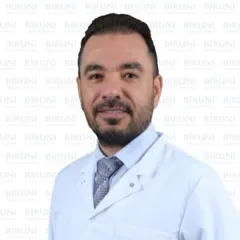
Prof. Dr. Ali Hakan KAYA
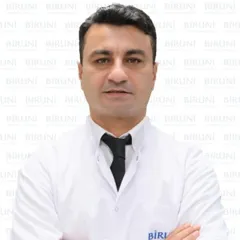
Prof. Dr. Rafet EREN
Names, titles and specialties come from the hospital’s official physician pages. They are shown for information only: your file is routed to the right specialty and the hospital assigns the treating physician.
Questions patients ask
Is CAR-T cell therapy available in Turkey at Biruni University Hospital?
Yes. CAR-T cell therapy is available at Biruni University Hospital in Istanbul for eligible patients, through the Biruni Cell Therapy program. The medical team decides eligibility after reviewing your records, and not every patient is a candidate.
Who may be eligible for CAR-T therapy?
Eligibility depends on the exact diagnosis and subtype, previous treatments, disease response, general health, and the criteria of the relevant treatment program. A multidisciplinary board decides for each patient individually, and not every patient with cancer is eligible.
Does CAR-T mean a complete cure?
A cure cannot be promised. Some patients achieve a long remission; others do not respond or their disease returns. Results differ from patient to patient.
Can I request an assessment before travelling to Turkey?
You may request an initial review of available records. Remote review does not guarantee eligibility, treatment availability, or a particular outcome. The treating team will explain whether further evaluation is needed.
What are the main risks of CAR-T?
They include cytokine release syndrome, immune effector cell-associated neurotoxicity syndrome (ICANS), low blood counts and infection risk. Some can be serious or life-threatening, which is why patients need specialist assessment and close monitoring in hospital. The physician explains the risks for your case before any decision.
How long does the process take, and how long will I stay in Istanbul?
About 2–4 weeks from cell collection to infusion, followed by a monitoring period in hospital and a recovery period near the hospital. In total, plan for several weeks in Istanbul with an adult companion; the team gives you an estimate for your case before you travel.
How much does CAR-T cost?
We do not publish prices. The cost depends on the case and the treatment plan, and is assessed individually after the medical team has reviewed your report.
What happens after I return home?
You leave with a written report for your local doctor. Follow-up is shared between your doctor at home and the team in Istanbul, with regular blood tests and check-ups over the long term.
Related centers and pages
Oncology Center
Read moreBone marrow transplant
Read moreHematology
Read morePediatric hematology & oncology
Read moreRadiation oncology
Read moreSurgical oncology
Read moreNuclear medicine & PET/CT
Read moreDoctors directory
Read moreInternational patient journey
Read moreContact us
Read more
Request an initial medical file review
Contact the international patient team to learn which records are needed and how the assessment process works.