
Cancer treatment in Istanbul, Turkey: Oncology Center
Cancer treatment for adults and children at Biruni University Hospital, Istanbul: a multidisciplinary tumor board reviews each case and plans it from diagnosis to follow-up.
About this center
The Oncology Center at Biruni University Hospital offers advanced diagnosis and treatment for people with cancer. A dedicated team plans each case using modern imaging, molecular diagnostics and the full range of surgical, drug and radiation options. Most international cases start by reading the documents the patient already has, before anything is booked.
Documents to send for an oncology review
- Biopsy or pathology report, with block and slide numbers
- Immunohistochemistry and molecular or genetic test results, if done
- Imaging reports (PET-CT, CT, MRI), with images on disc or DICOM if possible
- Recent blood tests and tumor markers
- A dated list of previous treatment: surgery, chemotherapy cycles, radiotherapy and the response
- The latest letter or discharge summary from your doctor
Send what you have: photos and scanned copies are fine to start. Your coordinator tells you if the team needs anything else.
Have your file reviewed before you book anything
Send the biopsy report (with block and slide numbers), imaging on disc or DICOM, radiology reports, recent blood tests and a dated list of previous treatment. A medical oncologist reads the file with pathology and radiology, and tells you whether the diagnosis is confirmed, which options apply and whether travelling would change your plan.
Who is this center for?
These are general situations in which patients contact us. Whether treatment in Istanbul suits you is decided by the treating physician after reviewing your file.
Cancers we treat
The team manages a broad range of adult and pediatric cancers, grouped here by body system. Cases outside this list can still be reviewed by the tumor board.
01Digestive system
02Thoracic & breast
03Gynecologic & urologic
04Head, neck & neuro
05Hematologic
06Other & pediatric
* Childhood cancers are managed together with Pediatric Hematology-Oncology.
How cancer is diagnosed and staged
Imaging
PET/CT, SPECT/CT, 3T MRI and modern CT.
Biopsy & pathology
Slides and blocks from home may be re-read.
Molecular & genetic testing
Genetic tests to guide targeted therapy and counseling.
Blood tests & tumor markers
Comprehensive blood work and tumor markers for follow-up.
The pillars of treatment
Medical oncology
Chemotherapy, immunotherapy, targeted and hormone therapy, mostly outpatient.
Radiation oncology
IMRT and VMAT on a modern linear accelerator.
Surgical oncology
Minimally invasive and robotic surgery where suitable.
Nuclear medicine & interventional oncology
Radionuclide therapies, TARE, TACE and ablation in selected cases.
Decisions made by a multidisciplinary tumor board
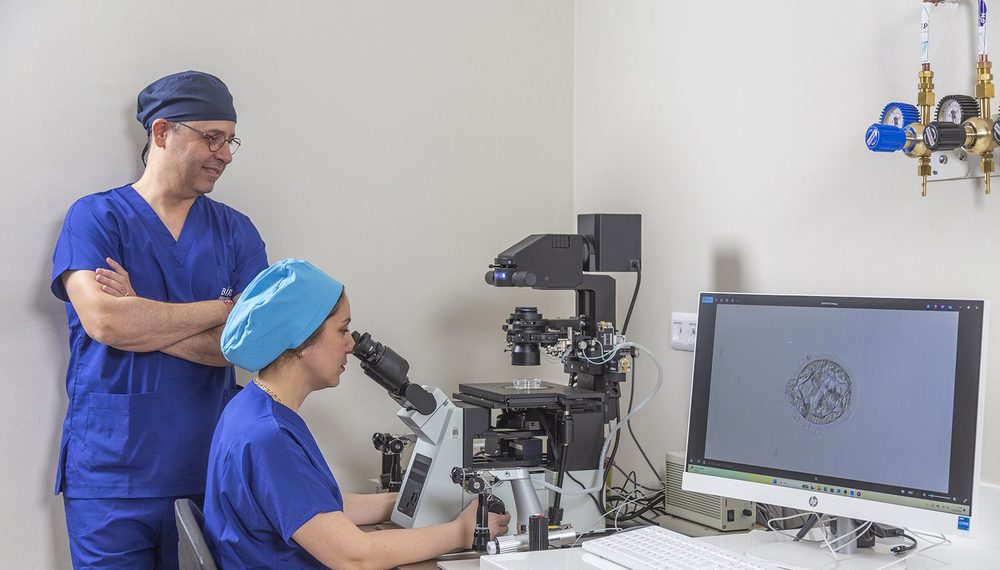
No single specialist decides alone. The board reviews each case together, from imaging to pathology, to combine surgical, drug and radiation treatment in the right order. One case, five specialties, one shared plan.
Cellular therapy and CAR-T
CAR-T cell therapy is available at Biruni University Hospital for eligible patients, within the hematology and bone marrow transplant program and after evaluation by the team. It is used within a planned treatment pathway, results vary from patient to patient, and it is not a guaranteed cure.
- Autologous and allogeneic bone marrow transplant for adults and children, with isolation rooms.
- CAR-T cell therapy: available for eligible patients; the team decides eligibility after reviewing your file.
- No promise of cure: results vary and treatment carries serious risks, explained by the physician before any decision.
Step by step: from sending your report to follow-up at home
Records arrive
You send reports and images on WhatsApp or by email.
The file is read
A medical oncologist reads it with pathology and radiology.
Plan, dates & visa letter
Proposed dates and a medical invitation letter. Pricing is case by case after reviewing your medical report.
Arrival & re-staging
Airport pick-up, then tests to confirm the stage if needed.
Tumor board & written plan
A shared decision and a written plan, explained in your language.
Treatment with supportive care
Nutrition, rehabilitation and psychological support alongside treatment.
Response assessment & discharge summary
A detailed report for your doctor at home.
Shared follow-up at home
Check-ups after 2–4 weeks, then every 3 months, later every 6 months and yearly.
The oncology team
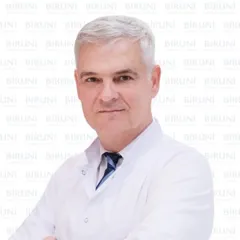
Prof. Dr. Özcan YILDIZ

Prof. Dr. Senem KARABULUT
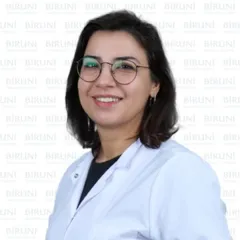
Prof. Dr. Türkan ÖZTÜRK TOPCU
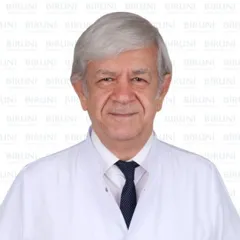
Prof. Dr. Metin GÜDEN

Prof. Dr. Burçak YILMAZ
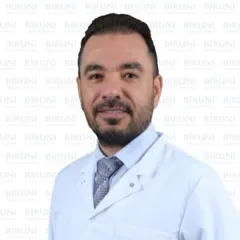
Prof. Dr. Ali Hakan KAYA
Names, titles and specialties come from the hospital’s official physician pages. They are shown for information only: your file is routed to the right specialty and the hospital assigns the treating physician.
Questions patients and families ask
Can the team review my reports before I decide to travel?
Yes. Send your file; a medical oncologist reads it with pathology and radiology and replies with a written opinion on suitable options, including when staying at home is better.
Which documents should I send for an oncology review?
The biopsy or pathology report with block and slide numbers, imaging reports (PET-CT, CT or MRI) with the images on disc or DICOM if possible, recent blood tests and tumor markers, a dated list of previous treatment, and the latest letter from your doctor.
Will my biopsy slides be read again in Istanbul?
Often yes, when needed. That is why we ask for block and slide numbers; you may be asked to bring the blocks themselves.
Can I continue chemotherapy started in another country?
In many cases yes, after reviewing the previous protocol and recent tests. Your treating physician decides.
How long will I need to stay in Istanbul?
It depends on the plan: major surgery needs a longer stay than chemotherapy, which is usually given on an outpatient basis. The team gives you an estimate for your case before you travel.
Does CAR-T cell therapy mean a complete cure?
A cure cannot be promised. Some patients achieve long remission; others do not respond or relapse. Your treating physician decides whether it suits your case.
Who decides my treatment plan?
A multidisciplinary tumor board; your treating physician then discusses the plan with you and your family before starting.
How much does cancer treatment cost?
We do not publish prices. The cost depends on the type and stage of the cancer and on the treatment plan, and is assessed case by case after your medical report has been reviewed.
Related centers and pages
CAR-T cell therapy
Read moreBone marrow transplant
Read moreHematology
Read morePediatric hematology & oncology
Read moreRadiation oncology
Read moreSurgical oncology
Read moreNuclear medicine & PET/CT
Read moreDoctors directory
Read moreInternational patient journey
Read moreContact us
Read more
Start with a review of your file today
Send your medical reports and a coordinator who speaks your language will explain the next steps.